

Picture this: You’ve just landed at Toronto Pearson Airport, acceptance letter in hand and dreams of Canadian university life ahead. But as you try to exchange your home currency for Canadian dollars, you’re hit with unfavorable rates and hefty fees. Later, when attempting to open a bank account, you discover that without proper planning, the process can take weeks – time you don’t have when tuition payments loom. This scenario plays out for thousands of international students each year, highlighting the critical importance of understanding both Canadian banking systems and currency exchange strategies before arrival.
What Animation Studios Expect From a Junior Storyboard Artist

Canada’s animation industry is experiencing unprecedented growth, with a remarkable 6% job growth rate creating exciting opportunities for emerging talent. From the bustling studios of Toronto to Vancouver’s thriving animation hub, Canadian studios are actively seeking junior storyboard artists who can bring fresh perspectives to beloved animated series and feature films. This surge in demand reflects the industry’s expansion, driven by streaming platforms’ appetite for original content and Canada’s competitive tax incentives that attract international productions.
How to Research Studio Layoff Trends When Planning Relocation

Canada’s video game and technology sectors have experienced unprecedented upheaval since 2022, with industry analysts tracking over 45,000 job losses globally and nearly 500 positions eliminated in Montreal alone within an 18-month period. These dramatic shifts represent more than statistical anomalies—they signal fundamental changes in how studios operate, where they invest, and which regions offer the most stability for career growth.
Step-by-Step Guide to Securing a Co-op Work Permit for VFX Students
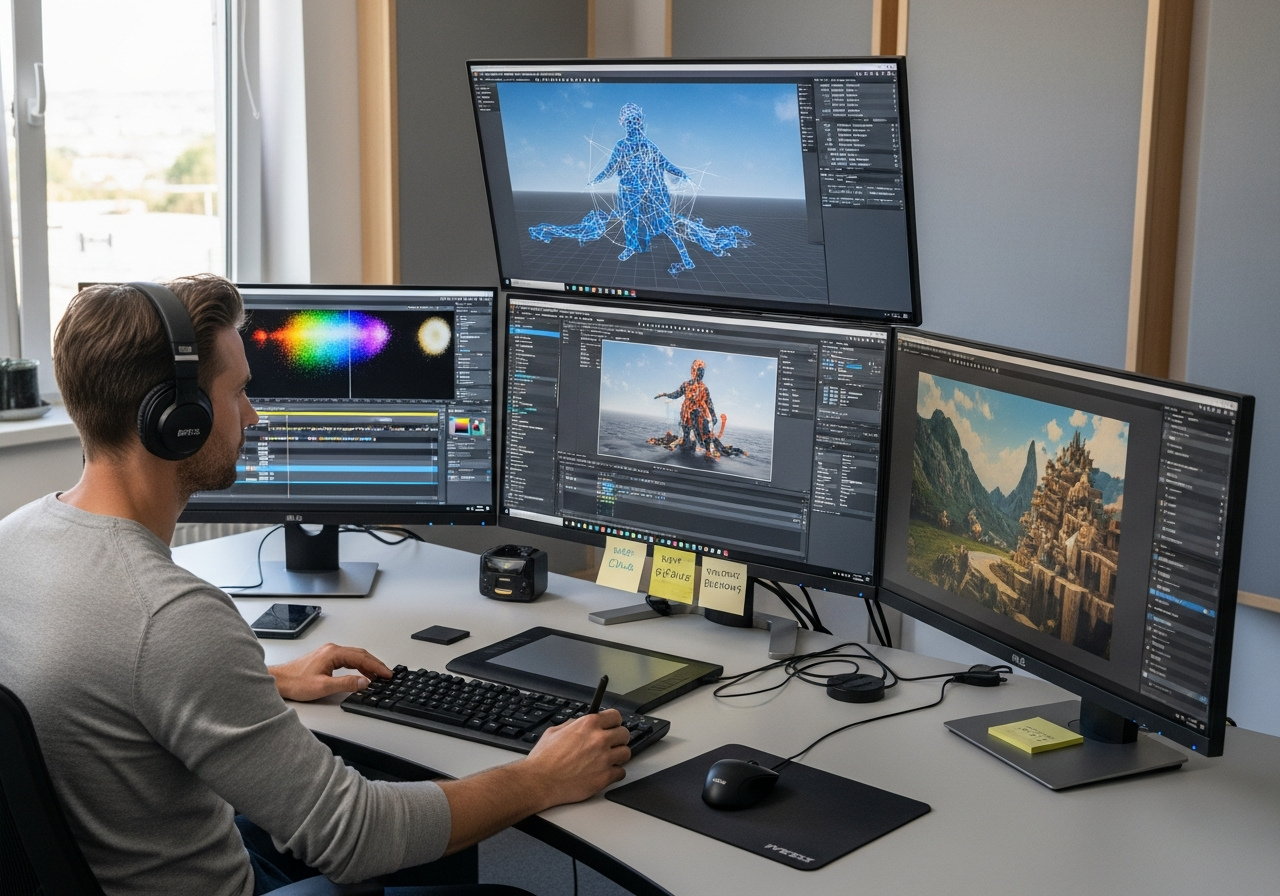
Canada’s visual effects industry continues to flourish, with Vancouver and Montreal serving as global hubs for major film and television productions. VFX students entering these markets face unique opportunities but require specific work authorization through co-op work permits. These permits serve as essential gateways to Post-Graduation Work Permits (PGWP) and eventual permanent residency pathways, making them crucial for international students pursuing careers in digital animation, compositing, and visual effects.
How Game Schools Teach Agile Development Methodologies

The fast-paced nature of modern game development demands methodologies that can adapt to changing requirements, embrace collaborative workflows, and deliver iterative improvements. Canadian game development education institutions have emerged as pioneers in integrating Agile methodologies into their curricula, recognizing that traditional waterfall approaches simply cannot meet the dynamic demands of today’s gaming industry. By emphasizing the Agile Manifesto’s core principles of valuing individuals and interactions over processes and tools, working software over comprehensive documentation, customer collaboration over contract negotiation, and responding to change over following a plan, these schools are preparing students for the realities of professional game development.